
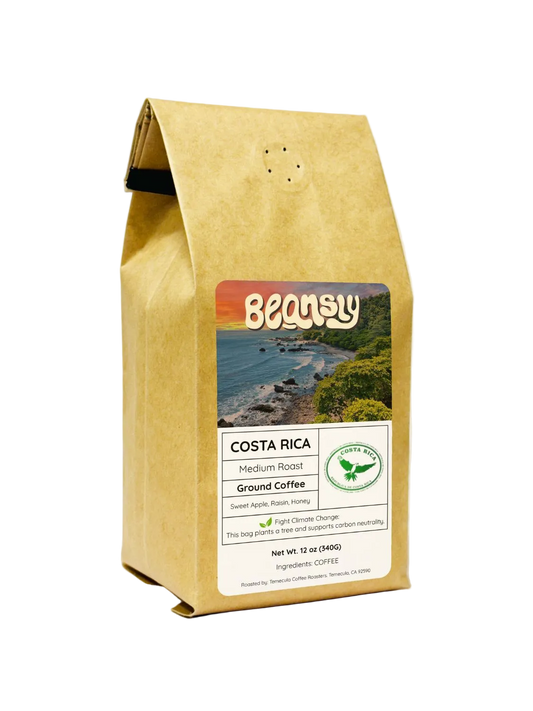
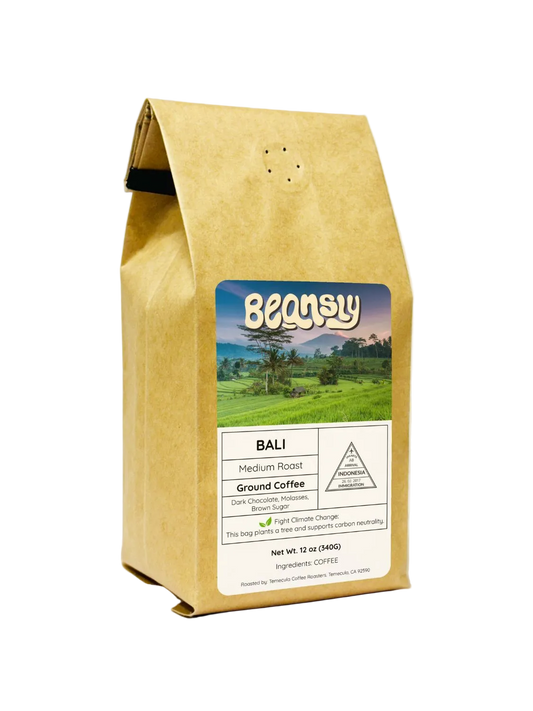

Find Your Destination

Global Flavors
Your next trip starts in the cup. Single-origin coffees grown at the source, roasted for the journey.

Small-Batch
Roasted fresh, shipped straight to your door.

Sustainable
Every bag bought helps plant trees and supports carbon neutrality.
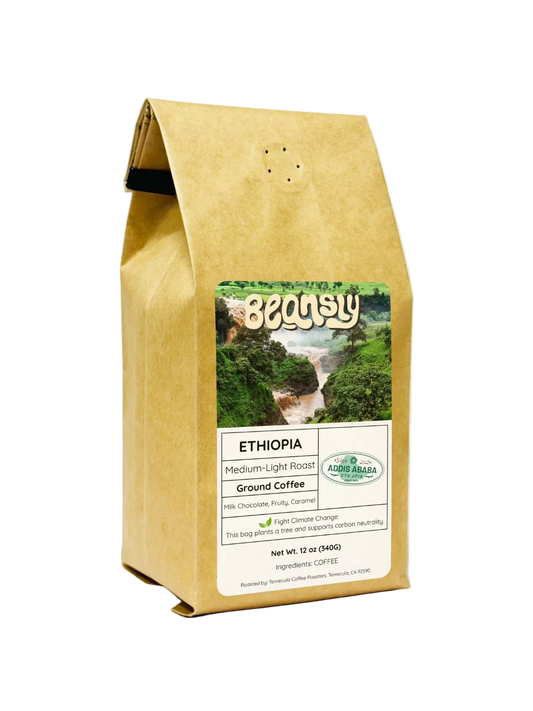
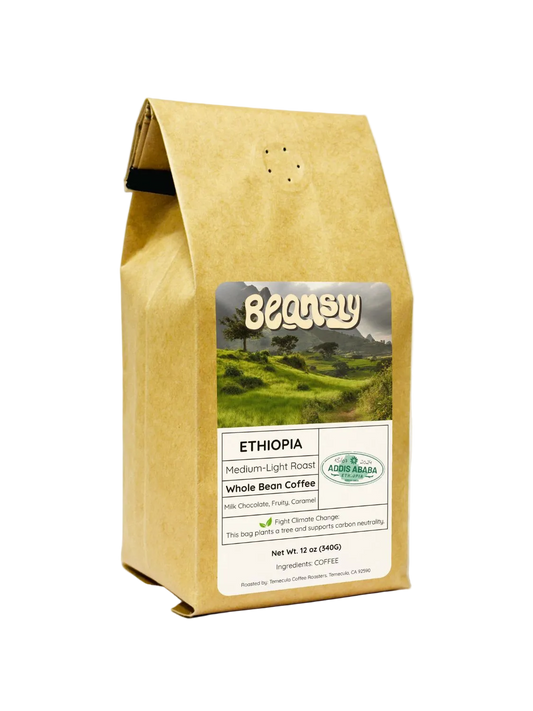
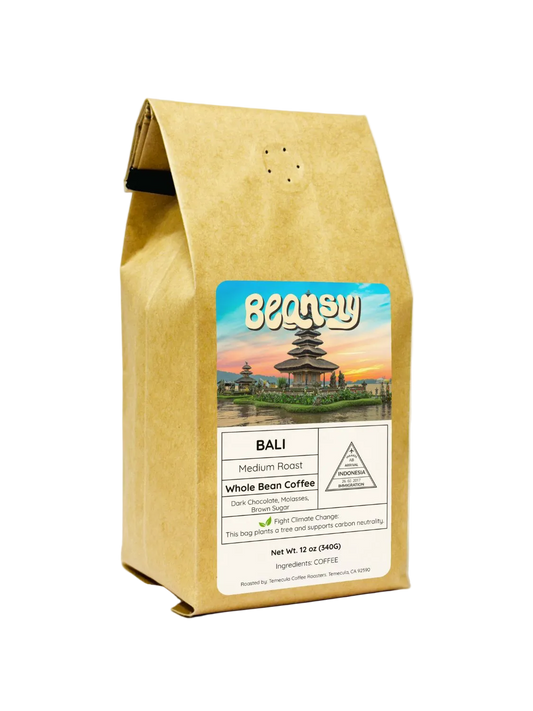
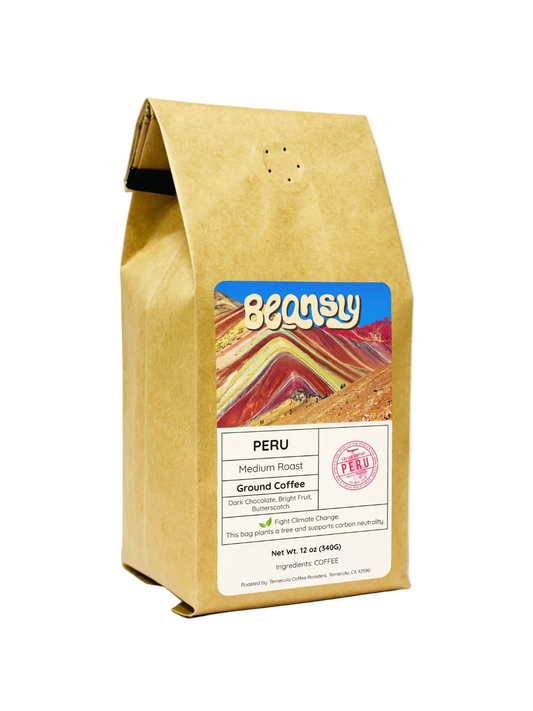
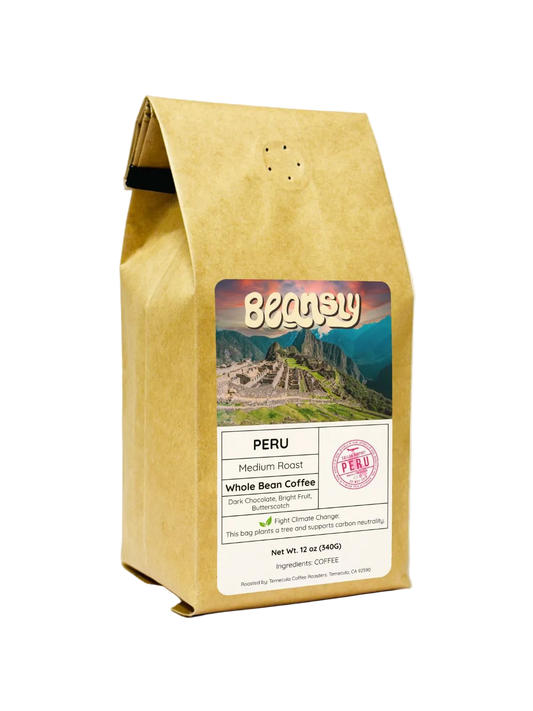
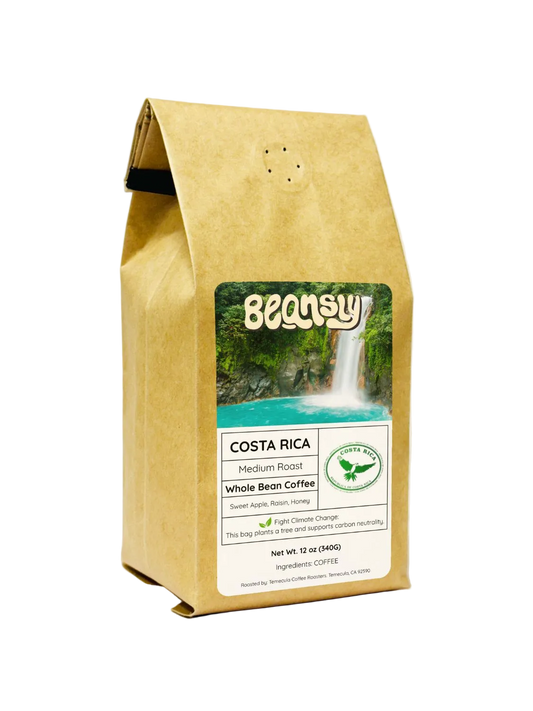


Buy a bag. Plant a tree every single time.
Supporting wildlife, protecting coastlines, and fighting climate change.

Swiss Water® Certified

SCA Member

Partners with Sprout
Coffee Questions, Answered.
What Is Specialty Grade Coffee?
Specialty-grade coffee is the highest classification in the coffee industry, beans that score 80 points or higher on the Specialty Coffee Association's 100-point scale.
These beans are grown in ideal climates, often at high elevations, where slower growth develops more complex sugars and flavors. They're carefully harvested at peak ripeness, thoughtfully processed, and roasted to highlight the unique character of each origin.
But specialty grade isn't just a score. It means traceability, knowing exactly where your coffee comes from, how it was grown, and who grew it. It means ethical sourcing, direct relationships with farmers, and sustainable practices from farm to cup.
The result is coffee with real depth, clarity, and flavor you can actually taste, not just caffeine in a cup.
Specialty Coffee vs Regular Coffee: What's the Difference?
The difference comes down to quality, care, and what ends up in your cup.
Specialty coffee starts at the source, with beans grown in optimal conditions, harvested at peak ripeness, and roasted to highlight their natural flavor profile. Depending on the origin, you might taste dark chocolate, bright citrus, stone fruit, or floral notes. Every cup has character.
Regular commercial coffee is mass-produced and blended for consistency. Roasted darker to mask defects and inconsistencies, it's engineered to taste the same every time, predictable, but flat.
At Beansly, every bag is specialty-grade, intentionally sourced, freshly roasted, and built around the unique flavors of each origin. Not just coffee. A destination.e description
Why Is Specialty Coffee More Expensive Than Store-Bought?
Short answer: you're paying for quality at every single step, not just the bean.
The beans cost more to grow. Specialty coffee comes from specific microclimates and elevations where conditions produce complex flavors. Smaller yields, careful hand-picking at peak ripeness, and precise processing all add time and labor that commercial farming skips entirely.
The sourcing is different. Specialty roasters work directly with farmers — paying fair, transparent prices rather than commodity market rates. That relationship costs more. It's also why you can actually trace your coffee back to a specific farm or region.
The roasting is hands-on. Small-batch roasting requires skilled labor and attention to each origin's unique profile. It's the opposite of the industrial drum roasting that churns out millions of identical pounds for grocery store shelves.
What you're not paying for: fillers, defective beans, or dark roasts designed to hide low-quality raw material.
The price difference is real, but so is the gap in flavor, freshness, and integrity. Specialty coffee costs more because more people did more work, more carefully, to get it to your cup.
What Is Roasted-to-Order Coffee?
Roasted-to-order means your coffee is roasted after you place your order, not weeks or months in advance, not sitting in a warehouse, not stale before it reaches you.
Most commercial coffee is pre-roasted in bulk, packaged, shipped to distribution centers, stocked on shelves, and eventually makes its way to your cart. By the time you brew it, it could be months old. You'd never know.
Roasted-to-order flips that. Your order triggers the roast. The coffee ships fresh, arrives at peak flavor, and tastes the way it was actually meant to taste.
Why it matters in the cup: Fresh-roasted coffee has a more vibrant aroma, clearer tasting notes, and better balance. The flavors that make a Bali different from an Ethiopia, the subtle chocolate, the bright fruit, the floral finish, those are the first things to fade in stale coffee.
At Beansly, every bag is roasted to order because that's the only way to deliver what specialty coffee actually promises. Fresh. Balanced. Worth it.
How long does coffee stay fresh?
Coffee doesn't spoil but it does go flat. And once the flavor fades, no brewing method brings it back.
For specialty coffee, freshness isn't just a preference. It's the difference between tasting the origin and tasting nothing in particular.
The specialty coffee freshness window:
0–5 days post-roast. Resting phase CO₂ releasing, flavors still developing.
6–30 days post-roast. Peak window balanced, expressive, at its best.
30–90 days post-roast. Drinkable, but clarity and brightness begin to fade.
90+ days. Flat, the nuance that makes specialty coffee worth it is largely gone.
Most grocery store coffee is already 90+ days old before it hits your cart. That's why it needs sugar and cream to taste like anything.
How to protect freshness: Store in an airtight container, away from heat and light. Keep it as whole beans and grind right before brewing. Never freeze unless you're storing long-term and won't be opening the bag repeatedly.
At Beansly, roasting to order means your coffee ships inside that peak window, so you get it the way it was meant to taste, not the way time left it.